Every day, millions of individuals embark on their daily commutes, often unaware of the environmental consequences of their choices. From the fuel consumed by private vehicles to the emissions released into the atmosphere, commuting contributes significantly to the global carbon footprint. The cumulative effect of these daily trips can exacerbate climate change, impacting air quality and contributing to greenhouse gas accumulation. Recognizing the carbon consequences of each commute is a crucial step toward sustainable travel decisions. By being aware of the emissions generated, commuters can explore alternatives that reduce environmental harm. Informed commuters are empowered to make responsible choices that positively affect the global ecosystem.
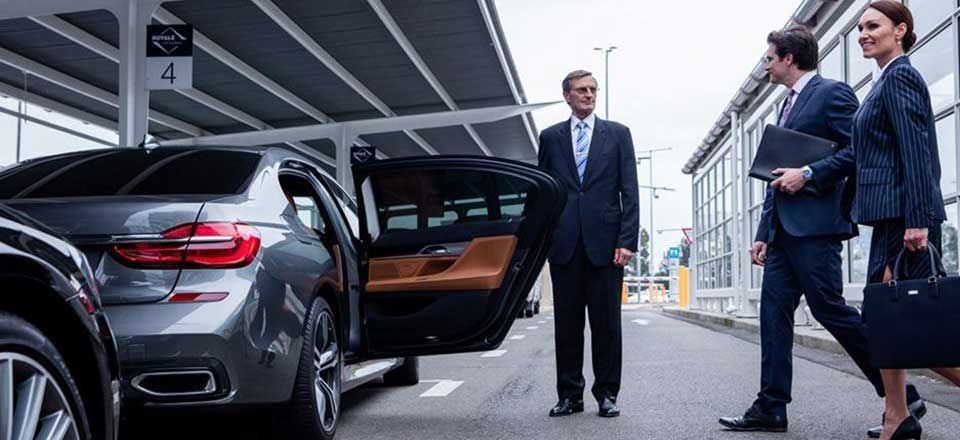
EnviroRide demonstrates that top-tier transportation need not compromise environmental responsibility. We tailor our offerings to lower environmental impact while ensuring passenger luxury. Our fleet of carefully serviced, energy-efficient vehicles helps mitigate environmental consequences. Through routine sustainable strategies, we show that efficiency and environmental care can align. Passengers experience smooth travel while contributing positively to environmental goals. Opting for eco-friendly transportation advances both personal and planetary well-being.
Air Pollution and Health Implications
Air quality degradation from daily travel poses serious health hazards in addition to climate impacts. Automobiles release nitrogen oxides, PM2.5, and VOCs, gradually worsening atmospheric conditions. Long-term contact with these emissions increases risks of lung disease, heart issues, and other chronic ailments. Communities near busy roads are particularly vulnerable, as higher traffic density correlates with increased pollutant concentrations. Minimizing vehicle emissions contributes directly to healthier urban and suburban environments. Sustainable transportation choices are therefore a critical factor in promoting healthier living environments.
Choosing eco-conscious transport allows people to limit contact with toxic emissions. Through strategic vehicle use and fleet management, EnviroRide minimizes the environmental impact of each ride. Such practices improve air quality while advancing broader environmental goals. Even minor changes in commuting habits can significantly reduce long-term pollution. Educating commuters about the connection between transportation and air quality empowers them to make informed decisions. In the end, both public health and environmental sustainability depend on conscious commuting decisions.
Managing Resources in Daily Commuting
Commuting daily requires significant energy expenditure, primarily from fossil check here fuels, which are finite and have a substantial environmental cost. Fuel manufacturing and usage intensifies environmental deterioration and exhausts natural resources. Individual vehicle trips cumulatively contribute to significant ecological stress. Recognizing the energy implications of daily travel encourages individuals and businesses to seek more efficient alternatives. Effective energy management underpins long-term sustainability efforts. Being conscious of fuel implications directs commuters toward environmentally sound habits.
At EnviroRide, strategic planning ensures energy-efficient travel for every client. Through careful route planning and vehicle use, energy consumption is minimized on every trip. Energy-focused operations contribute significantly to reducing transportation-related environmental harm. Commuters using our service can rely on a balance of comfort and sustainability, knowing that their journey contributes less to global energy consumption. Thoughtful transportation solutions demonstrate that environmental stewardship can be integrated seamlessly into everyday routines. Every journey allows passengers to participate in protecting finite natural resources.
How Traffic Jams Affect the Environment
Traffic congestion is more than just a source of frustration—it has tangible environmental consequences. Frequent acceleration and idling in gridlock elevate fuel use and emissions. Congested roads also amplify noise pollution, which can affect both human health and wildlife. Urban planners and transportation experts recognize that managing congestion is vital for reducing the environmental strain of commuting. Adopting shared rides and professional transport solutions can help reduce road congestion. Making informed travel decisions improves efficiency and lowers ecological impact.
Employing premium ground transport services alleviates congestion in urban centers. Offering dependable, coordinated trips lowers the total number of cars in traffic. Reduced vehicle count improves traffic movement, cuts emissions, and lessens ecological impact. Commuters benefit from both the convenience of a professional service and the knowledge that their choices help reduce overall congestion. Thoughtful transit planning enhances commuting effectiveness and advances ecological objectives. Every smart travel choice helps improve conditions for entire neighborhoods.
The Role of Sustainable Vehicle Technology
Technological advancements in vehicle design have a significant impact on reducing the environmental consequences of commuting. Hybrid, electric, and efficient powertrain technologies help cut emissions and save fuel. Eco-friendly vehicle systems are now common in high-class transport fleets, reshaping travel norms. Sustainable vehicles not only contribute to cleaner air but also reduce dependency on fossil fuels. Integrating advanced vehicle tech is vital for reducing environmental impact. Moving toward sustainable mobility reflects a commitment to planetary health.
EnviroRide integrates cutting-edge eco-friendly vehicles to maximize environmental responsibility on every trip. Our investment in sustainable vehicles aligns with a vision of high-class service that prioritizes both comfort and ecological impact. Passengers can enjoy luxurious travel while knowing that each trip contributes to cleaner air and reduced energy consumption. Incorporating eco-friendly innovations into professional fleets raises the standard for environmental responsibility. Opting for green technology-enabled vehicles reflects intentional environmental responsibility. Embracing these innovations is a tangible way to create long-term environmental benefits.
Encouraging Behavioral Change in Commuters
Personal travel decisions significantly affect ecological impact, with behavior being key. Those who implement energy-saving practices—like ride-sharing or optimized route planning—lower their environmental impact. Awareness efforts guide commuters toward greener daily travel decisions. Making small adjustments, like reducing unnecessary trips or consolidating errands, compounds into meaningful environmental benefits. Being informed and purposeful fosters responsible commuting. Acknowledging personal influence on ecological health motivates greener travel habits.
EnviroRide promotes awareness of the environmental effects of each journey. By opting for professional, high-class ground transportation, travelers embrace a lifestyle that prioritizes sustainability without sacrificing convenience. Each choice to cut emissions, save fuel, or optimize trips advances sustainability. Behavioral change is not always easy, but with accessible, eco-conscious options, the transition becomes achievable and rewarding. Encouraging eco-conscious routines helps passengers join a larger environmental effort. Thoughtful commuting choices have lasting benefits for planetary well-being.
Community Impact and Shared Responsibility
Eco-conscious travel choices yield collective advantages. Lower vehicle emissions enhance health, reduce sound pollution, and improve city livability. Environmentally responsible transportation choices also demonstrate social leadership, inspiring others to adopt greener practices. Communities thrive when members collectively prioritize sustainability in their daily routines, leading to cleaner air, healthier residents, and a reduced ecological footprint. Collective accountability strengthens cohesion and promotes ecological stewardship. Individual travel habits affect communities and ecological systems at large.
At EnviroRide, we recognize that our commitment to high-class ground transportation has a far-reaching impact. Every sustainable ride we provide contributes to the well-being of the community and the planet. By choosing services that prioritize environmental responsibility, travelers join us in creating a positive legacy for future generations. Collectively, we can make everyday travel both luxurious and eco-friendly. Make every commute impactful, supporting comfort and a cleaner planet simultaneously.